Sawai Madhopur, Rajasthan +91 77373 10027 info@safaritourindia.com
Plan My Trip

Rajasthan Safari Tour · Photography

Rajasthan Photography Safari Packages

Want to come home with sharp, well-lit wildlife photos from Rajasthan? Our Rajasthan Photography Safari packages are planned around light, not just a booking slot. We take you to Ranthambore for tigers, Jhalana and Jawai for leopards, Bharatpur for birds and the Chambal River for gharials and skimmers. We pick the right vehicle, the right safari times and enough days to give you a real chance at the shot you want.

We are based in Ranthambore, Sawai Madhopur, Rajasthan. Our team knows how the zones work, when the light is best and which hotels are closest to the gates, and we explain the difference between a shared seat and a full jeep before you book.

Some of our guests shoot on a phone, others bring a 600mm lens, and they come from every corner of India and from overseas. Animals decide when they show up, so we never promise a sighting. Tell us what you want to photograph: call or WhatsApp +91 77373 10027, or email info@safaritourindia.com.

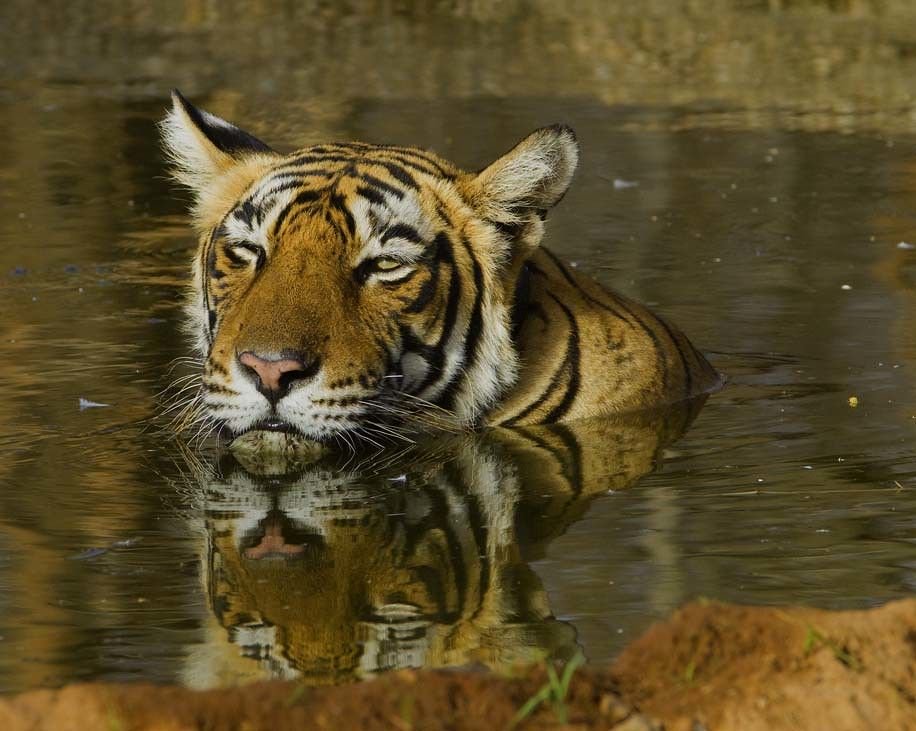
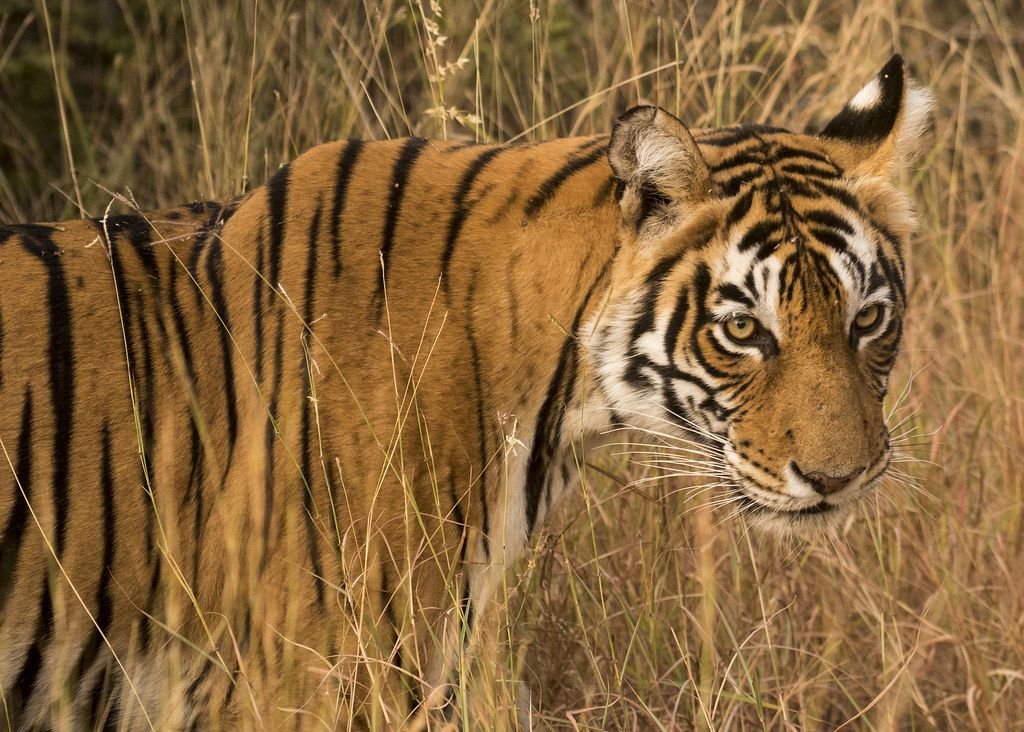
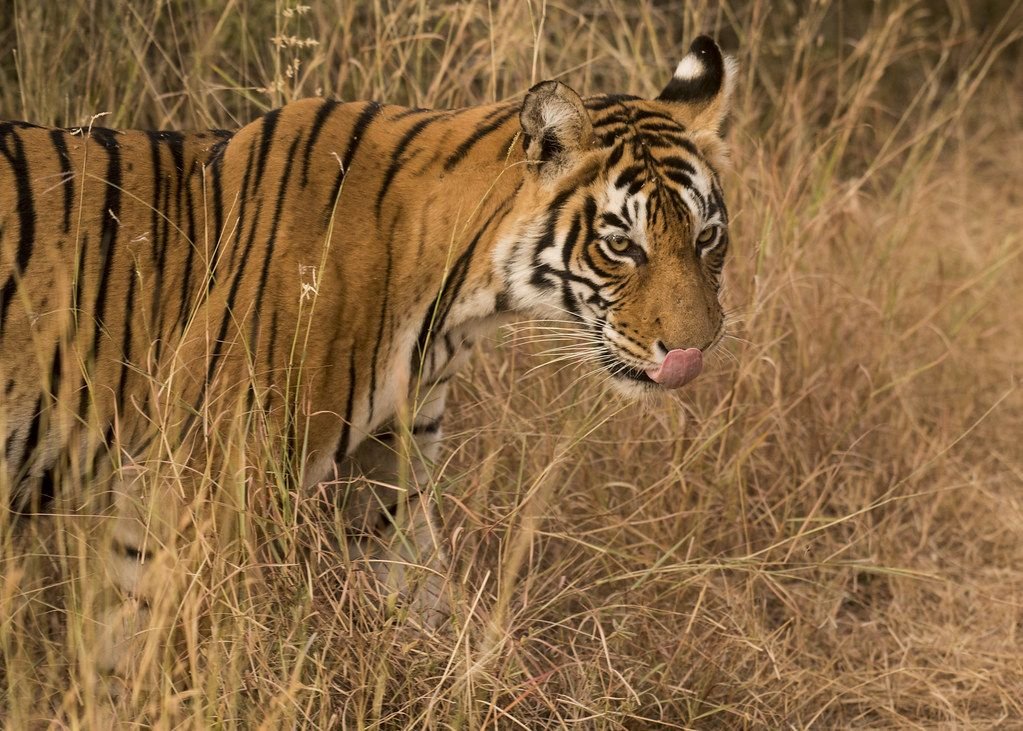
Tigress in soft light in Ranthambore, photographed on a Rajasthan photography safari
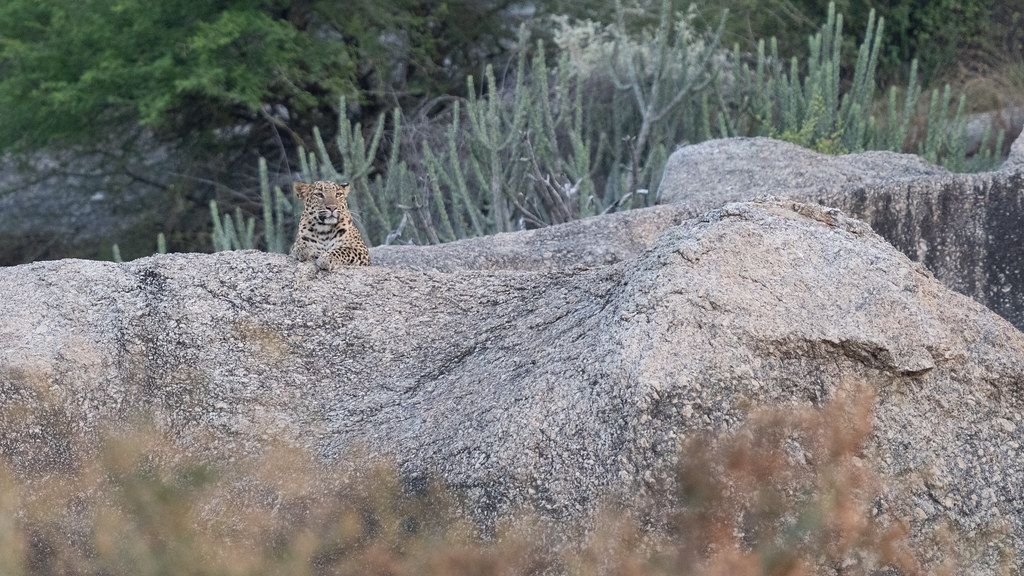
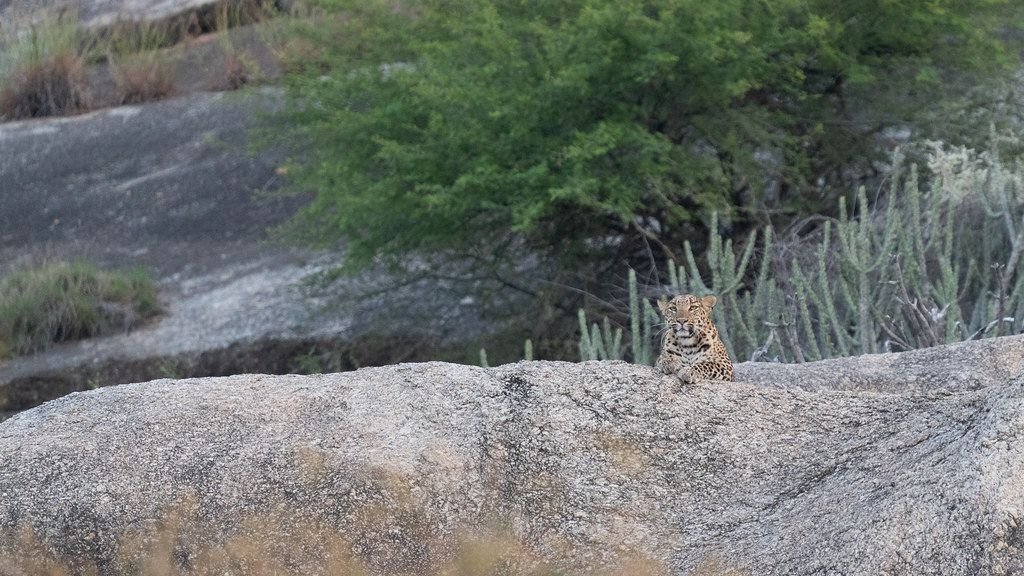
Leopard on a granite rock in Jawai
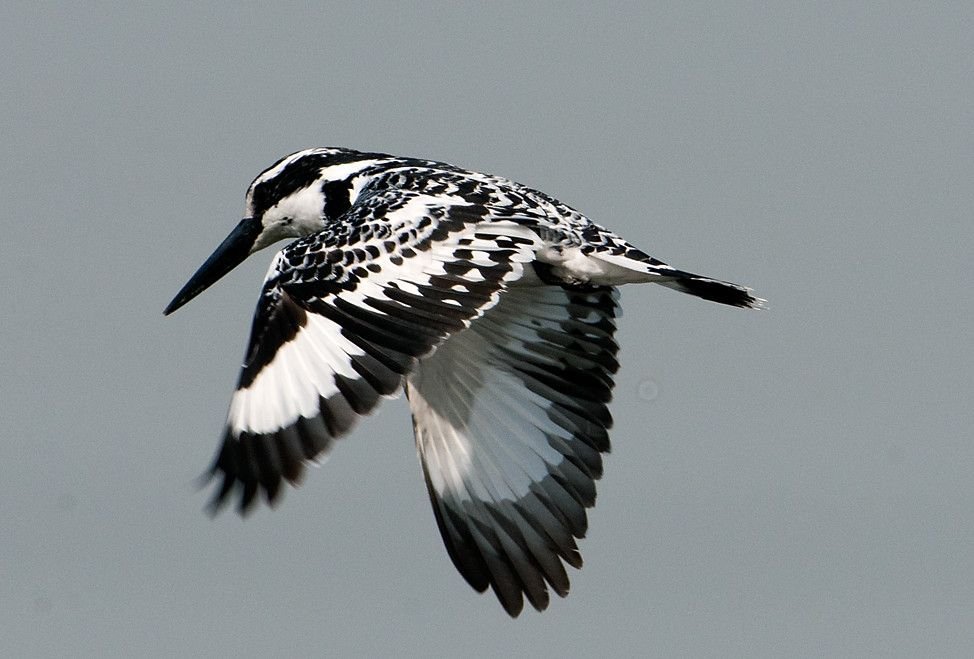
Pied kingfisher in flight
5 photo locationstigers, leopards, birds, river
Planned around lightmorning and evening slots
Gypsy or full jeepmore room for your gear
2 to 4 daysmore drives, better chances

Travelling from within India

Bring your gear, we handle the rest

Share your city, dates and group size. We book the safaris, a hotel near the gate and a private car, and we tell you which trains or flights reach Sawai Madhopur, Jaipur or Bharatpur most easily.

Plan My Photo Trip from India

Travelling from abroad

Landing in Delhi or Jaipur?

Tell us your arrival date and what you want to shoot. We plan a route with sensible drives and explain the permit fees for foreign nationals before you pay. Check your Indian visa or e-Visa, and pack your gear in carry-on where you can.

Plan My Photo Trip from Abroad

Photo-first planning

What Makes a Photography Safari Different?

On a regular safari, you go out, enjoy the forest and hope to see something. On a photography safari, we plan the small things that decide whether you get the shot: the vehicle, the time of day, where you sit and how long you can stay with an animal. The park rules stay the same, and the animals are still wild.

Gypsy, not canter

A gypsy (jeep) seats 6, while a canter seats about 20. Fewer people means more room to move your lens and change angles.

Book the full jeep

Taking all the seats keeps the vehicle to your group, so nobody is in your frame and you can agree on positions together.

Shoot in soft light

Morning and afternoon drives give you low, warm light at the start and end. That's when most of the best wildlife photos are made.

More than one drive

Four to six safaris across two to three days give you different light, weather and zones, and many more chances.

Patience at a sighting

We'd rather wait at one good sighting for the right moment than rush between spots chasing a quick record shot.

Seat on the right side

Ask your driver where the light is coming from, and sit on that side so the sun is behind you, not behind the animal.

Where to shoot

Best Places for a Photography Safari in Rajasthan

01 · Tigers and habitat

Ranthambore

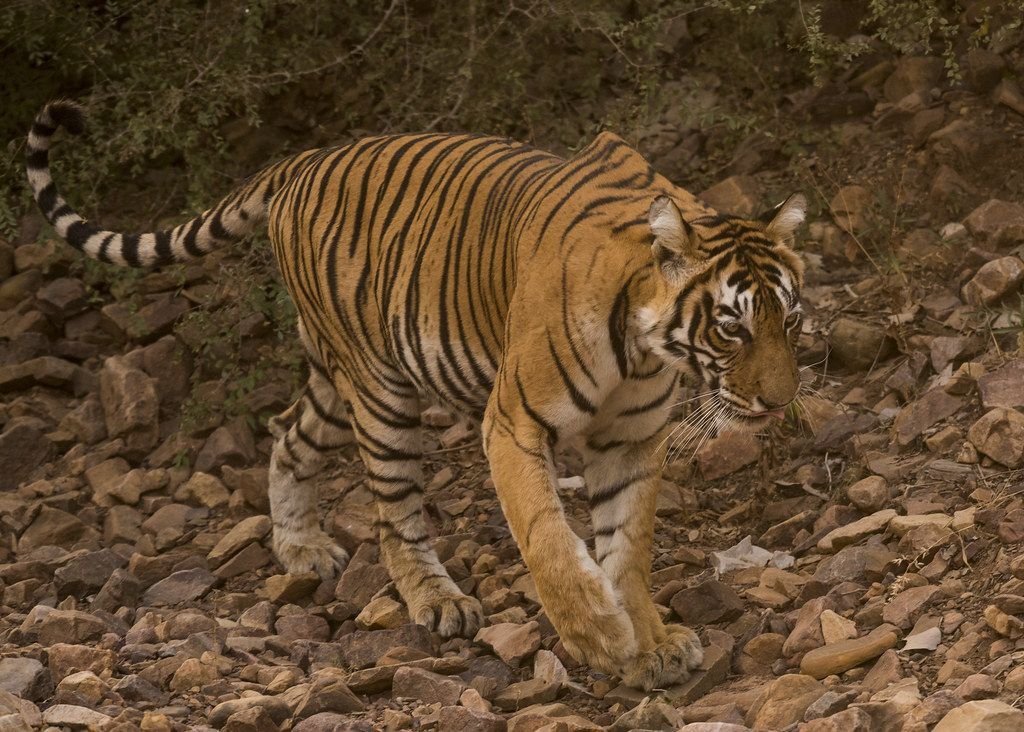
Ranthambore is the place for tiger photography with a story in the frame. You can find tigers walking past old ruins, cooling off in a lake or resting under banyan trees, with the fort in the background. Each zone looks different, so we pick one that suits the pictures you have in mind.

Serious photographers can also book a full-day or half-day safari, which lets you stay in the park beyond the normal slots. Seats are limited and the permit costs much more than a regular drive, so we check availability for your dates first.

  • VehicleGypsy / Canter
  • SeasonOct to Jun
  • ExtraFull / half-day safaris
View Tiger Safari Rajasthan →
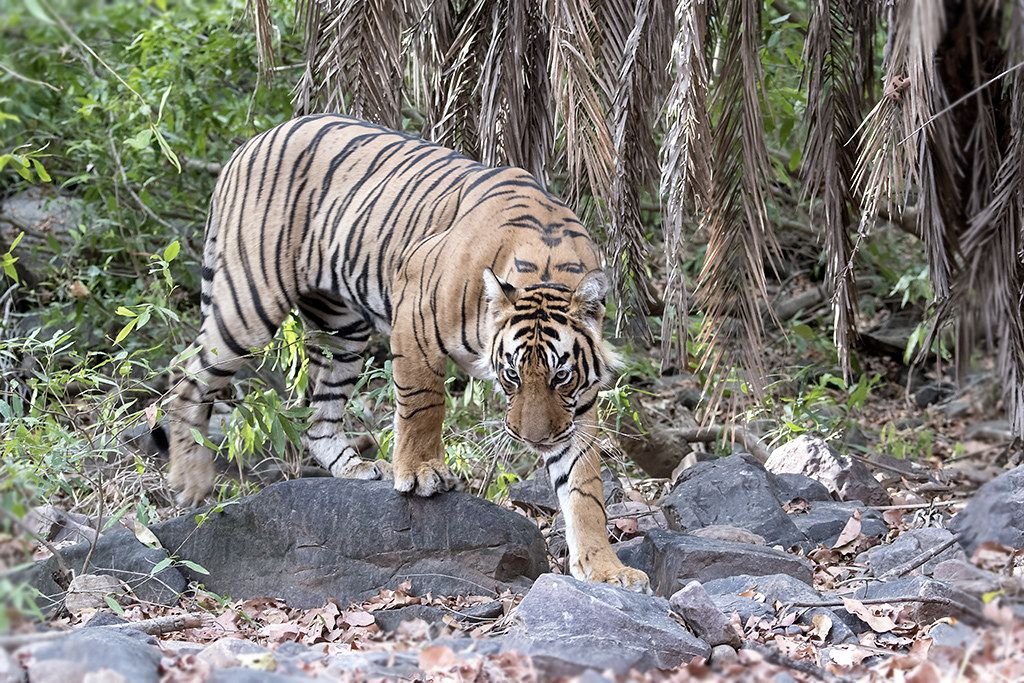
Tiger walking through Ranthambore forest

02 · Leopards near the city

Jhalana, Jaipur

Jhalana is a small leopard reserve inside Jaipur, so you can fit a photo drive into a city trip. Leopards here often sit on rocks and low ridges, which gives you clean outlines against the sky or the dry hills. Sightings can be close one day and far the next, so a long lens helps.

  • VehicleGypsy only
  • From Jaipur centre~20 to 30 min
  • Best forShort leopard trips
View Leopard Safari Rajasthan →
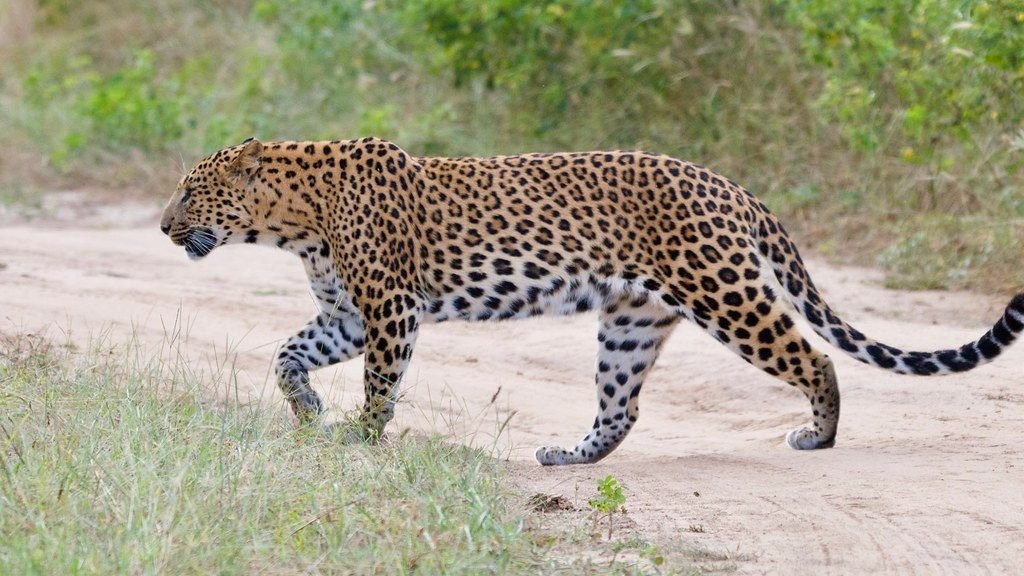
Female leopard resting on a rock

03 · Leopards and landscape

Jawai

Jawai, between Udaipur and Jodhpur, is not a national park. Leopards live on huge granite hills right next to villages, temples and farms. That makes it a great place for wide habitat shots, with a leopard on a rock, a shepherd below and a temple on the ridge. Drives go out in local open jeeps with guides who know the hills well.

  • VehicleLocal open jeep
  • Best forWide habitat frames
  • LightEarly morning, sunset
View Jawai Leopard Safari →
Leopard on a granite rock in Jawai

04 · Birds in flight

Keoladeo, Bharatpur

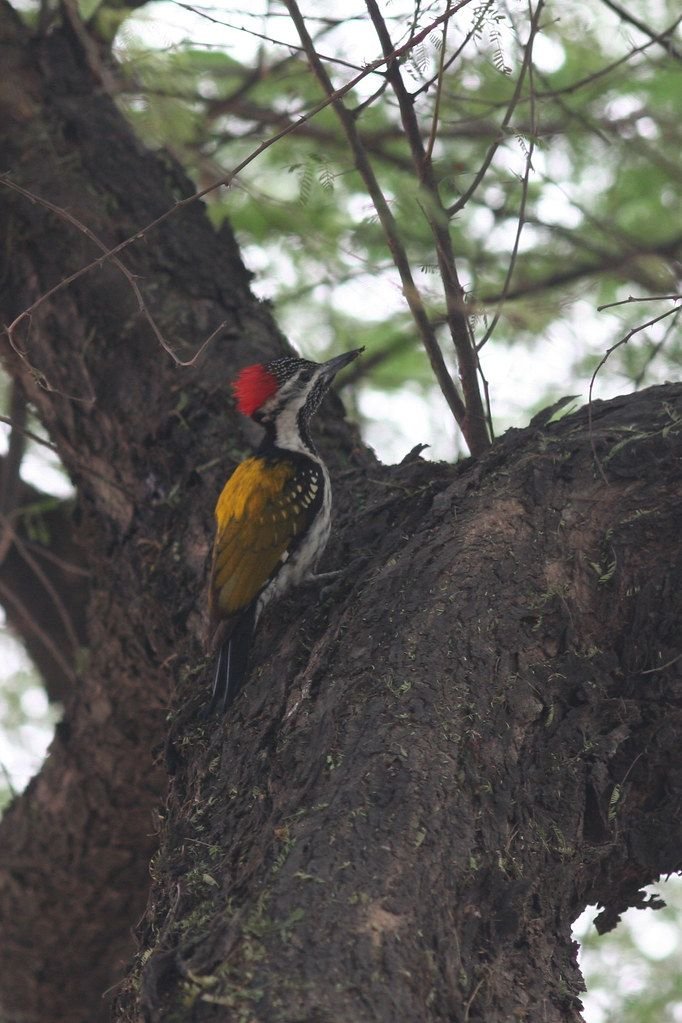
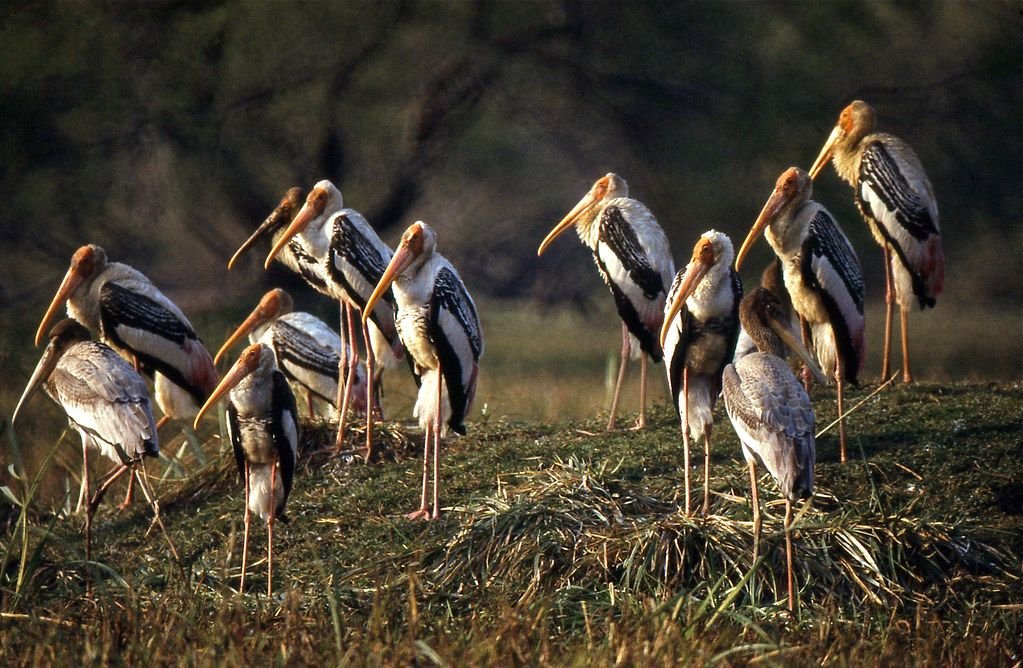
No cars are allowed inside Keoladeo, so you shoot on foot or from a cycle-rickshaw, at eye level with the birds. It's ideal for storks and pelicans in flight, reflections in still water and kingfishers on low perches. Winter mornings are often misty, which can make for soft, moody frames.

  • Explore byWalk / Cycle / Rickshaw
  • SeasonNov to Feb
  • Best forFlight shots, reflections
View Bird Watching Tour Rajasthan →
Black-rumped flameback woodpecker at Keoladeo

05 · River at water level

Chambal River

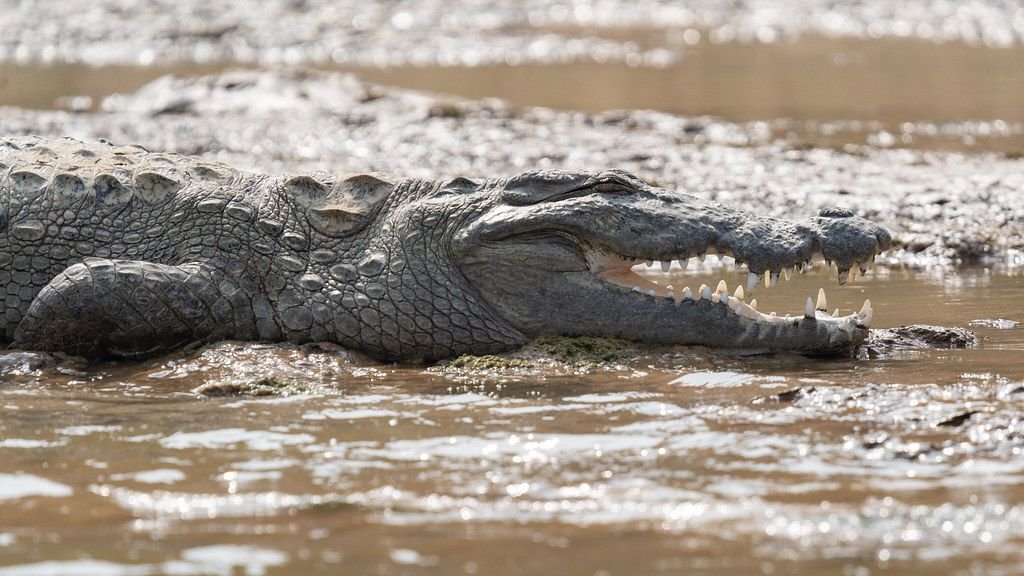
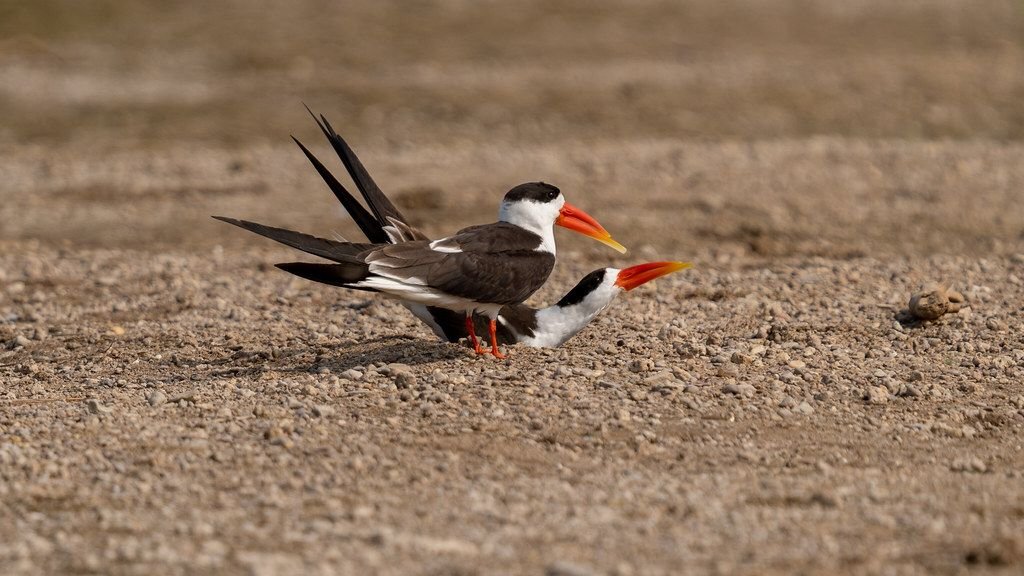
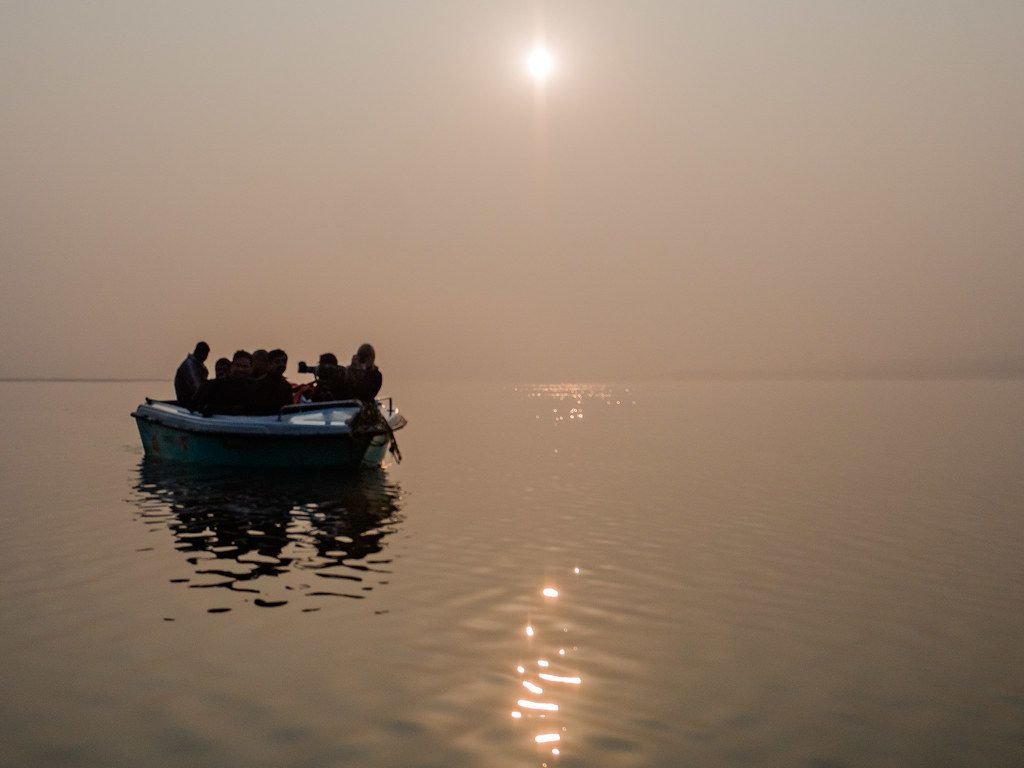
From a small boat on the Chambal, about 35 km from Sawai Madhopur, you shoot from low down, close to the water. Gharials and mugger crocodiles bask on the sandbanks, and in winter Indian skimmers nest there too. The boat ride lasts 45 minutes to an hour. The boatman sets the distance, and we ask him to cut the engine for quiet shots where it's safe.

  • VehicleBoat
  • From Sawai Madhopur~35 km
  • SeasonNov to Mar
View Crocodile Safari Rajasthan →
Mugger crocodile basking on a Chambal sandbank

Destination Comparison

PlaceMain subjectVehicle / boatBest lightBest months
RanthamboreTigers with lakes, ruins and forestGypsy or canterFirst and last hour of each driveOct to Jun
Jhalana, JaipurLeopards on rocksGypsyEarly morning, late afternoonOct to Jun
JawaiLeopards with granite hills and villagesLocal open jeepSunrise and sunsetOct to Mar
Keoladeo, BharatpurWaterbirds, flight shotsOn foot, cycle or rickshawEarly morningNov to Feb
Chambal RiverGharials, crocodiles, skimmersBoatMorning, late afternoonNov to Mar

Seasons and rules can change. We confirm current timings and access for your dates.

Plan by season

Best Time and Light for Wildlife Photography

Short answer: October to June is the photography season in Ranthambore's core zones. Winter (November to February) gives soft light, mist and migrant birds. April to June is hot, but animals come to the waterholes and the forest is thinner, so you can often see further. Core zones close in the monsoon.

The first and last hour of every drive gives you warm, low light that shows fur, feathers and texture well. Around midday the light gets harsh, so switch to close-ups in shade, habitat details or animals with the sun behind you.

Weather changes fast, so keep your camera switched on and ready, even on the drive back to the gate.

Oct to FebSoft light, mist, green forest, winter birds
Mar to JunHot; waterhole action and thinner cover
Jul to SepRanthambore core zones closed

In your camera bag

Camera Gear and Settings Tips

You don't need the most expensive kit, but a few things make a big difference on a Rajasthan safari.

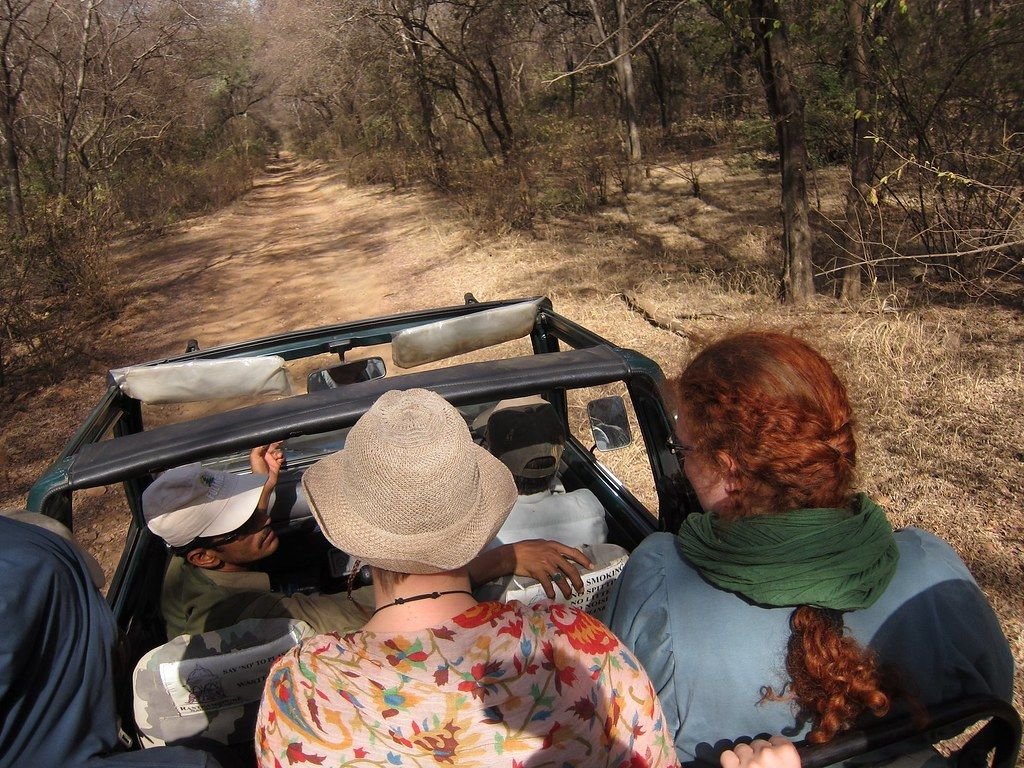
Open safari jeep on a forest track
  • Lens: a 100-400mm, 150-600mm or 200-500mm zoom covers most wildlife. Bring a wider lens for habitat shots.
  • Bean bag: rest your long lens on the jeep rail. A tripod is hard to use in a safari vehicle.
  • Spare batteries and memory cards. There's no charging in the park.
  • Dust: the tracks are dry, so carry a cover and a blower, and avoid changing lenses on the move.
  • Birds in flight: use a fast shutter and continuous autofocus.
  • Low light: raise your ISO early in the morning rather than risk a blurred shot.
  • Phone photographers: a clip-on lens and burst mode help a lot.

What's in a package

What Is Included in Our Photography Safari Packages

Every trip is built for your dates and subjects. A package usually includes:

Safari bookings

Gypsy or canter seats, a full jeep where offered, and a Chambal boat ride if it's on your route.

Hotel near the gate

Stays close to the park entry, so you reach the first light without a long drive.

Private car transfers

Your own driver for station and airport pickups, park runs and hotel drops.

A plan built around light

Safari slots, rest time and drives arranged so you're in the field at the best hours.

Help choosing zones

We explain which zones, slots and vehicles suit the photos you want.

Confirmed in your quote

Camera fees (if any), the cost of a full jeep, a naturalist or photography guide, meals, park entry and permit fees, and other local charges. These change by park, nationality and current rules, so we list them clearly before you pay.

Who it's for

Who Is This Tour For?

Beginners

Phone or entry-level camera users who want to learn while watching wildlife.

Serious hobbyists

More drives and more time at sightings to work on light and composition.

Professionals

A tight plan with full jeeps, the right zones and clear costs upfront.

Photo clubs and groups

Several jeeps on the same slot, with hotels and transfers for the whole group.

Holiday travellers

A couple of photo days added to a wider Rajasthan trip.

In the field

Ethical Wildlife Photography Rules

No photo is worth stressing an animal. These rules keep wildlife safe and keep parks open for everyone.

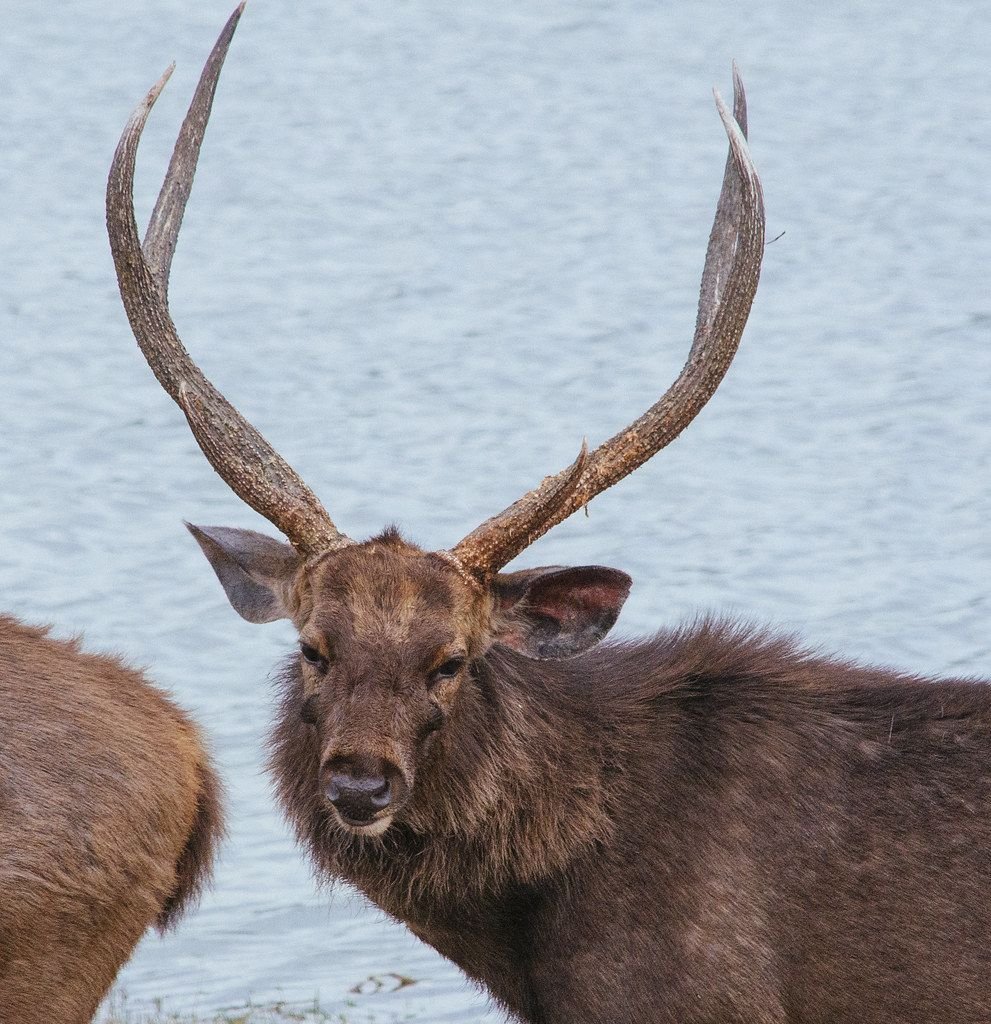
Sambar deer in Ranthambore
  • No flash on wildlife
  • Never call, bait, chase or provoke an animal
  • Stay inside the vehicle at all times
  • Keep your distance and don't push the driver to get closer
  • Keep noise low at a sighting
  • No drones in protected areas
  • Follow your guide, boatman and park staff, even if the moment is short

Booking

How to Book Your Photography Safari

  1. 01

    Share your dates

    Your travel dates, group size and where you'll arrive.

  2. 02

    Tell us your photo goals

    Tigers, leopards, birds, river life, habitat shots or a mix.

  3. 03

    Pick places and vehicles

    We suggest zones, slots and whether a shared seat or a full jeep makes sense.

  4. 04

    Check the quote

    Hotels, transfers, safaris, guide, fees and exclusions, all listed.

  5. 05

    Confirm and go

    We confirm availability and current rules, then book everything.

Who plans your trip

Why Plan Your Photography Safari with Safari Tour India?

We're a local team in Ranthambore, Sawai Madhopur, Rajasthan. We know the safari times, how the zones and vehicles work, and which hotels are closest to the gates. We list every cost in your quote, check the rules instead of guessing, and we're honest from day one that wildlife can't be booked.

Find us on Google Maps · Read guest reviews

FAQ

Frequently Asked Questions

Can't find your answer? Call or WhatsApp +91 77373 10027.

Is a gypsy or a canter better for photography?

A gypsy is better. It seats 6 people, while a canter seats about 20, so you have more room to move your lens and change angles. A canter is cheaper and fine if photography is not your main aim. Which vehicle you get depends on availability for your date and zone.

Can I book a full jeep just for my group?

Yes, in Ranthambore you can book all the seats in a gypsy so the vehicle is only for your group. It costs more than shared seats. Tell us early, because seats for popular dates sell out fast.

What lens should I bring for a Rajasthan wildlife safari?

A 100-400mm, 150-600mm or 200-500mm zoom is a good all-round choice for tigers, leopards and birds. Bring a wider lens too for landscapes and habitat shots. Phone users can get good results with a clip-on zoom lens.

Are tripods allowed in the safari vehicle?

A tripod is hard to use in an open jeep and gets in the way of other guests in a shared vehicle. Most photographers use a bean bag on the jeep rail instead. We confirm the current rules for each park before you travel.

Is there a camera fee in Rajasthan parks?

It depends on the park and the type of camera, and the rules change from time to time. We check the current charges for your parks and dates and list them in your quote.

Can I take a full-day or half-day safari in Ranthambore?

Yes. Ranthambore offers full-day and half-day safaris for visitors who want more time in the park than a regular slot. Seats are limited and the permit costs much more, so we check availability and the current fee for your dates.

Are tiger or leopard sightings guaranteed?

No. Tigers and leopards are wild and move freely, so sightings depend on the animals, the season, the weather and luck. More drives over more days improve your chances, but nobody can promise a sighting.

Can I combine tiger, leopard and bird photography in one trip?

Yes. A 5 to 7 day trip can cover Ranthambore for tigers, Jhalana or Jawai for leopards and Bharatpur for birds. We plan the drives between them so you don't lose your best shooting hours on the road.

Plan Your Rajasthan Photography Safari

Tell us what you want to photograph, when you're travelling and how many days you have. We'll suggest the places, safari slots and vehicles, sort out your stay and car, and share a day-by-day plan with every cost spelled out.

Call Now WhatsApp +91 77373 10027
WhatsApp works from any country. Prefer email? Write to info@safaritourindia.com.